
Pancreatitis Treatment
Pancreatitis Treatment
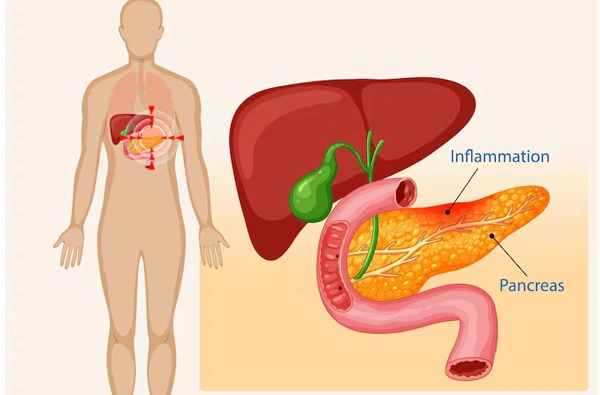
The pancreas is a vital organ that plays an essential role in digestion and blood sugar regulation. It produces digestive enzymes that help break down food and hormones such as insulin that regulate glucose levels in the body. When the pancreas becomes inflamed, a condition known as pancreatitis develops. Pancreatitis can range from a mild temporary illness to a severe, life-threatening condition requiring immediate medical attention.
If you are looking for expert Pancreatitis Treatment in Sector 16A Faridabad, Dr. Neeraj Dhar offers comprehensive diagnosis, advanced treatment, and long-term management for acute and chronic pancreatic disorders. With extensive experience in gastroenterology and digestive disease management, he provides personalized treatment plans focused on symptom relief, prevention of complications, and improved quality of life.
Early diagnosis and timely treatment are crucial in managing pancreatitis and preventing permanent damage to the pancreas.
What Is Pancreatitis?
Pancreatitis is inflammation of the pancreas that occurs when digestive enzymes become activated inside the pancreas instead of the digestive tract. These enzymes begin attacking pancreatic tissue, resulting in inflammation, pain, and potential complications.
Pancreatitis can occur suddenly and last for a short period, known as acute pancreatitis, or develop gradually over time, known as chronic pancreatitis.
Seeking prompt Pancreatitis Treatment in Sector 16A Faridabad is important because untreated pancreatic inflammation can lead to severe complications affecting digestion, nutrition, and overall health.
Types of Pancreatitis
Acute Pancreatitis
Acute pancreatitis develops suddenly and may range from mild discomfort to severe illness. Most patients recover completely with timely treatment.
Chronic Pancreatitis
Chronic pancreatitis is a long-term condition characterized by ongoing inflammation and irreversible damage to pancreatic tissue. It can result in digestive problems and diabetes if not managed properly.
Recurrent Pancreatitis
Some patients experience repeated episodes of pancreatic inflammation that may eventually progress to chronic disease.
Causes of Pancreatitis
Several factors can contribute to pancreatic inflammation.
Gallstones
Gallstones are one of the most common causes of acute pancreatitis. They can block the pancreatic duct and trigger inflammation.
Alcohol Consumption
Long-term excessive alcohol use is a major cause of chronic pancreatitis.
High Triglyceride Levels
Very high blood triglyceride levels can increase the risk of pancreatitis.
Pancreatic Duct Abnormalities
Structural abnormalities may interfere with enzyme flow and cause inflammation.
Certain Medications
Some medications can trigger pancreatic inflammation in susceptible individuals.
Autoimmune Disorders
Autoimmune pancreatitis occurs when the immune system attacks pancreatic tissue.
Infections
Certain viral and bacterial infections may lead to pancreatic inflammation.
Genetic Factors
Inherited conditions can increase susceptibility to pancreatic disease.
Identifying the underlying cause is a critical part of successful Pancreatitis Treatment in Sector 16A Faridabad.
Symptoms of Pancreatitis
Symptoms may vary depending on the severity and type of pancreatitis.
Common symptoms include:
- Severe upper abdominal pain
- Pain radiating to the back
- Nausea
- Vomiting
- Fever
- Abdominal tenderness
- Loss of appetite
- Bloating
- Indigestion
- Unexplained weight loss
- Fatty stools
- Fatigue
In chronic pancreatitis, symptoms may develop gradually and worsen over time.
Patients experiencing severe abdominal pain should seek immediate medical evaluation.
Risk Factors for Pancreatitis
Certain factors increase the likelihood of developing pancreatitis.
Risk factors include:
- Gallstones
- Excessive alcohol consumption
- Smoking
- Obesity
- High triglyceride levels
- Family history of pancreatic disease
- Autoimmune conditions
- Previous episodes of pancreatitis
- Certain medications
Managing these risk factors can help reduce future pancreatic complications.
Complications of Untreated Pancreatitis
Without proper treatment, pancreatitis can lead to serious health problems.
Pancreatic Pseudocysts
Fluid-filled sacs may develop around the pancreas.
Pancreatic Infection
Severe inflammation can increase infection risk.
Digestive Problems
The pancreas may become unable to produce enough digestive enzymes.
Diabetes
Damage to insulin-producing cells may result in diabetes.
Malnutrition
Poor digestion can interfere with nutrient absorption.
Organ Failure
Severe acute pancreatitis may affect the lungs, kidneys, and other organs.
Early intervention helps minimize these complications and improve outcomes.
Diagnosis of Pancreatitis
Accurate diagnosis is essential for effective treatment planning.
Medical History and Examination
Dr. Neeraj Dhar evaluates symptoms, lifestyle factors, and medical history.
Blood Tests
Laboratory tests help measure pancreatic enzyme levels and detect inflammation.
Ultrasound
Ultrasound helps identify gallstones and pancreatic abnormalities.
CT Scan
CT imaging provides detailed views of pancreatic inflammation and complications.
MRI and MRCP
Advanced imaging evaluates pancreatic ducts and surrounding structures.
Endoscopic Ultrasound (EUS)
This specialized procedure provides highly detailed images of the pancreas.
ERCP
Endoscopic Retrograde Cholangiopancreatography may be used in selected cases to diagnose and treat duct-related problems.
These advanced diagnostic tools help determine the severity and cause of pancreatitis.
Pancreatitis Treatment Process
Treatment depends on the type, severity, and underlying cause of pancreatitis.
Initial Medical Management
Patients may require:
- Pain management
- Intravenous fluids
- Nutritional support
- Close monitoring
Treatment of Underlying Causes
If gallstones are responsible, appropriate intervention may be recommended.
Dietary Modifications
Patients are advised to follow a pancreas-friendly diet that reduces digestive stress.
Enzyme Replacement Therapy
Individuals with chronic pancreatitis may require pancreatic enzyme supplements.
Lifestyle Changes
Lifestyle modifications play a crucial role in long-term recovery.
Recommendations include:
- Avoiding alcohol
- Quitting smoking
- Maintaining a healthy weight
- Following a balanced diet
Advanced Endoscopic Procedures
Specialized procedures such as ERCP may be used when pancreatic duct blockages are present.
Patients receiving Pancreatitis Treatment in Sector 16A Faridabad benefit from individualized care plans designed to optimize pancreatic function and improve quality of life.
Benefits of Early Pancreatitis Treatment
Seeking treatment promptly offers several important advantages.
Faster Recovery
Early management reduces inflammation and promotes healing.
Reduced Risk of Complications
Timely intervention prevents serious pancreatic damage.
Better Digestive Function
Treatment helps preserve normal digestive processes.
Improved Nutritional Health
Proper management supports nutrient absorption and overall wellness.
Prevention of Chronic Disease
Early treatment reduces the likelihood of progression to chronic pancreatitis.
Enhanced Quality of Life
Patients experience relief from pain and digestive symptoms.
Why Choose Dr. Neeraj Dhar?
Dr. Neeraj Dhar is a highly experienced gastroenterologist with expertise in diagnosing and managing complex pancreatic disorders.
Patients choose him because of:
- Extensive experience in gastroenterology
- Expertise in pancreatic diseases
- Advanced diagnostic technology
- Personalized treatment plans
- Evidence-based medical care
- Comprehensive digestive health services
- Advanced endoscopic expertise
- Long-term patient support
As a trusted specialist providing Pancreatitis Treatment in Sector 16A Faridabad, Dr. Neeraj Dhar is committed to helping patients achieve better pancreatic and digestive health.
Recovery and Aftercare
Successful recovery requires ongoing care and healthy lifestyle habits.
Patients are advised to:
- Follow prescribed medications
- Avoid alcohol completely
- Quit smoking
- Maintain a healthy diet
- Stay hydrated
- Attend follow-up appointments
- Monitor blood sugar levels if required
- Follow enzyme replacement therapy recommendations
Long-term adherence to these measures helps improve outcomes and reduce recurrence.
Conclusion
Pancreatitis is a serious condition that requires timely diagnosis and expert medical care. Whether acute or chronic, pancreatic inflammation can significantly impact digestion, nutrition, and overall health if left untreated.
If you are searching for effective Pancreatitis Treatment in Sector 16A Faridabad, Dr. Neeraj Dhar offers advanced diagnostic evaluation, personalized treatment strategies, and comprehensive care for pancreatic disorders.
With extensive experience, advanced technology, and a patient-centered approach, Dr. Neeraj Dhar helps individuals manage pancreatitis effectively and achieve long-term digestive wellness.
Schedule your consultation today and take the first step toward better pancreatic health.
FAQs
1. What is the most common cause of pancreatitis?
Gallstones and excessive alcohol consumption are among the most common causes of pancreatitis.
2. Can pancreatitis be cured completely?
Acute pancreatitis often resolves completely with treatment, while chronic pancreatitis requires long-term management.
3. Is pancreatitis a medical emergency?
Severe pancreatitis can be a medical emergency and requires immediate medical attention.
4. What foods should be avoided with pancreatitis?
Fatty foods, fried foods, processed foods, and alcohol should generally be avoided.
5. When should I see a gastroenterologist for pancreatitis?
You should seek medical care if you experience severe abdominal pain, persistent nausea, vomiting, unexplained weight loss, or recurrent digestive symptoms.


