
GERD Management
GERD Management
Gastroesophageal Reflux Disease (GERD) is a chronic digestive condition that occurs when stomach acid frequently flows back into the esophagus, causing irritation and inflammation. While occasional acid reflux is common, persistent reflux can lead to significant discomfort and may result in serious complications if left untreated. GERD can affect eating habits, sleep quality, work productivity, and overall well-being.
If you are looking for effective GERD Treatment in Sector 16A Faridabad, Dr. Neeraj Dhar offers comprehensive diagnosis and advanced treatment solutions tailored to each patient's needs. With extensive experience in gastroenterology, he specializes in identifying the underlying causes of reflux symptoms and providing long-term management strategies. Through lifestyle guidance, advanced diagnostics, medication therapy, and continuous follow-up care, patients can achieve lasting relief and improved digestive health.
What Is GERD?
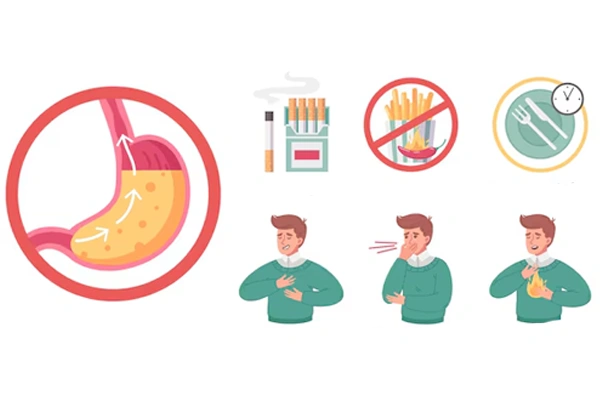
GERD, or Gastroesophageal Reflux Disease, is a condition in which stomach acid repeatedly travels back into the esophagus. Normally, a muscular valve called the lower esophageal sphincter prevents stomach contents from moving upward. When this valve becomes weak or relaxes abnormally, acid reflux occurs.
Repeated exposure to stomach acid can damage the lining of the esophagus and cause chronic symptoms. Seeking timely GERD Treatment in Sector 16A Faridabad is essential to prevent complications and maintain digestive health.
GERD is more than occasional heartburn. It is a long-term condition that requires proper medical evaluation and management to prevent progression and improve quality of life.
Common Symptoms of GERD
GERD symptoms can vary from person to person and may occur during the day or night.
Common symptoms include:
- Persistent heartburn
- Burning sensation in the chest
- Acid regurgitation
- Sour or bitter taste in the mouth
- Difficulty swallowing
- Chest discomfort
- Chronic cough
- Frequent throat clearing
- Hoarseness of voice
- Sore throat
- Feeling of a lump in the throat
- Bloating and indigestion
- Nausea after meals
Many patients experience worsening symptoms after eating large meals, consuming spicy foods, or lying down shortly after eating.
Causes of GERD
Several factors can contribute to the development of GERD.
Weak Lower Esophageal Sphincter
A weakened sphincter allows stomach acid to flow back into the esophagus.
Obesity
Excess body weight increases abdominal pressure and promotes acid reflux.
Poor Dietary Habits
Frequent consumption of spicy foods, fatty foods, caffeine, and carbonated beverages may trigger symptoms.
Smoking
Smoking weakens the esophageal sphincter and increases reflux episodes.
Alcohol Consumption
Alcohol can irritate the digestive tract and worsen acid reflux.
Pregnancy
Hormonal changes and increased abdominal pressure during pregnancy can contribute to GERD.
Hiatal Hernia
This condition can affect the function of the esophageal sphincter and increase reflux.
Identifying these causes is crucial for successful GERD Treatment in Sector 16A Faridabad.
Risk Factors for GERD
Certain factors increase the likelihood of developing GERD.
Risk factors include:
- Obesity
- Sedentary lifestyle
- Smoking
- Excessive alcohol consumption
- Chronic stress
- Poor eating habits
- Pregnancy
- Hiatal hernia
- Family history of digestive disorders
- Frequent consumption of processed foods
Addressing these risk factors can significantly improve treatment outcomes.
Complications of Untreated GERD
Ignoring GERD symptoms can lead to serious health complications.
Potential complications include:
Esophagitis
Chronic acid exposure can cause inflammation of the esophagus.
Esophageal Ulcers
Persistent irritation may result in painful ulcers.
Esophageal Strictures
Scar tissue can narrow the esophagus, causing difficulty swallowing.
Barrett's Esophagus
Long-term GERD may increase the risk of precancerous changes in the esophageal lining.
Respiratory Problems
Acid reflux can contribute to chronic cough, asthma symptoms, and recurrent throat infections.
Early diagnosis and treatment help prevent these complications and protect long-term health.
Diagnosis of GERD
Accurate diagnosis is essential for effective treatment.
Medical History Assessment
Dr. Neeraj Dhar evaluates symptoms, lifestyle habits, and previous medical conditions.
Physical Examination
A detailed examination helps identify associated digestive concerns.
Upper GI Endoscopy
Endoscopy allows direct visualization of the esophagus and stomach to assess inflammation and damage.
pH Monitoring
This specialized test measures acid exposure in the esophagus.
Esophageal Manometry
Manometry evaluates esophageal muscle function and sphincter performance.
Imaging Studies
Additional imaging may be recommended when necessary.
These diagnostic tools help determine the severity of GERD and guide personalized treatment planning.
GERD Treatment Process
The treatment approach depends on symptom severity and underlying causes.
Lifestyle Modifications
Lifestyle changes play a major role in GERD management.
Patients are advised to:
- Eat smaller meals
- Avoid late-night eating
- Maintain a healthy weight
- Elevate the head during sleep
- Avoid smoking
- Limit alcohol consumption
- Reduce stress levels
Dietary Management
Certain foods may trigger reflux symptoms.
Patients may be advised to limit:
- Spicy foods
- Fried foods
- Chocolate
- Caffeine
- Carbonated beverages
- Citrus fruits
- Highly processed foods
Medication Therapy
Medications may help:
- Reduce acid production
- Neutralize stomach acid
- Improve esophageal healing
- Control reflux symptoms
Advanced Endoscopic Evaluation
In selected cases, advanced diagnostic procedures may be required to assess complications and guide treatment.
Long-Term Monitoring
Regular follow-up visits ensure effective symptom control and prevention of complications.
Patients undergoing GERD Treatment in Sector 16A Faridabad receive individualized care designed for lasting symptom relief.
Benefits of Early GERD Treatment
Seeking treatment at an early stage offers several benefits.
Reduced Acid Reflux
Patients experience fewer reflux episodes and improved comfort.
Improved Digestion
Effective treatment supports better digestive function.
Better Sleep Quality
Nighttime symptoms are significantly reduced.
Prevention of Esophageal Damage
Early intervention helps prevent inflammation and ulcers.
Enhanced Quality of Life
Patients can enjoy meals and daily activities without discomfort.
Lower Risk of Complications
Timely treatment reduces the risk of Barrett's esophagus and other serious conditions.
Why Choose Dr. Neeraj Dhar?
Dr. Neeraj Dhar is a highly experienced gastroenterologist dedicated to providing advanced digestive healthcare.
Patients trust him because of:
- Extensive expertise in GERD management
- Advanced diagnostic facilities
- Personalized treatment plans
- Evidence-based treatment protocols
- Patient-focused care
- Comprehensive digestive health services
- Expertise in advanced endoscopy
- Long-term follow-up support
As a leading specialist providing GERD Treatment in Sector 16A Faridabad, Dr. Neeraj Dhar focuses on delivering effective and sustainable solutions for reflux-related disorders.
Recovery and Aftercare
Managing GERD successfully requires ongoing commitment to healthy habits.
Patients are encouraged to:
- Take medications as prescribed
- Maintain a healthy body weight
- Follow dietary recommendations
- Stay physically active
- Avoid smoking and alcohol
- Manage stress effectively
- Avoid lying down immediately after meals
- Attend scheduled follow-up appointments
These steps help maintain symptom control and improve long-term digestive health.
Conclusion
GERD is a chronic condition that can significantly affect daily life if left untreated. Early diagnosis and professional management are essential for controlling symptoms, preventing complications, and improving quality of life.
If you are searching for reliable GERD Treatment in Sector 16A Faridabad, Dr. Neeraj Dhar provides comprehensive diagnosis, advanced treatment options, and personalized care for patients experiencing acid reflux and related digestive problems.
With a commitment to excellence and patient-centered care, Dr. Neeraj Dhar helps individuals achieve lasting relief from GERD and enjoy better digestive health.
Book your consultation today and take the first step toward long-term relief from GERD symptoms.
FAQs
1. What is the difference between acid reflux and GERD?
Acid reflux is occasional backward flow of stomach acid, while GERD is a chronic condition involving frequent and persistent reflux symptoms.
2. Can GERD be cured permanently?
Many patients achieve excellent symptom control through lifestyle changes, medications, and ongoing medical management.
3. Is GERD a serious condition?
If left untreated, GERD can lead to complications such as esophagitis, ulcers, strictures, and Barrett's esophagus.
4. What foods should be avoided with GERD?
Spicy foods, fatty meals, caffeine, chocolate, carbonated drinks, and citrus fruits commonly trigger symptoms.
5. When should I consult a gastroenterologist for GERD?
You should seek medical advice if symptoms occur frequently, disturb sleep, affect daily activities, or do not improve with basic lifestyle measures.


